Liquidation Pallets For Sale
How to Start a Pallet Flipping Business in 2026
Jun
How to Start a Pallet Flipping Business in 2026 – Complete Step-by-Step Guide
Want to start a pallet flipping business and earn money buying and reselling liquidation merchandise? You’re not alone. Thousands of entrepreneurs are building profitable businesses by purchasing cheap liquidation pallets and flipping the contents for significant profits.
The pallet flipping business model is simple, scalable, and incredibly lucrative when done right. In this comprehensive guide, we’ll walk you through every step from setting up your business and sourcing pallets to listing products and scaling to a full-time income.
Whether you’re looking for a profitable side hustle or planning to build a full-scale resale empire, this guide has everything you need to get started.
👉 Browse Liquidation Pallets to Start Your Business
What Is a Pallet Flipping Business?
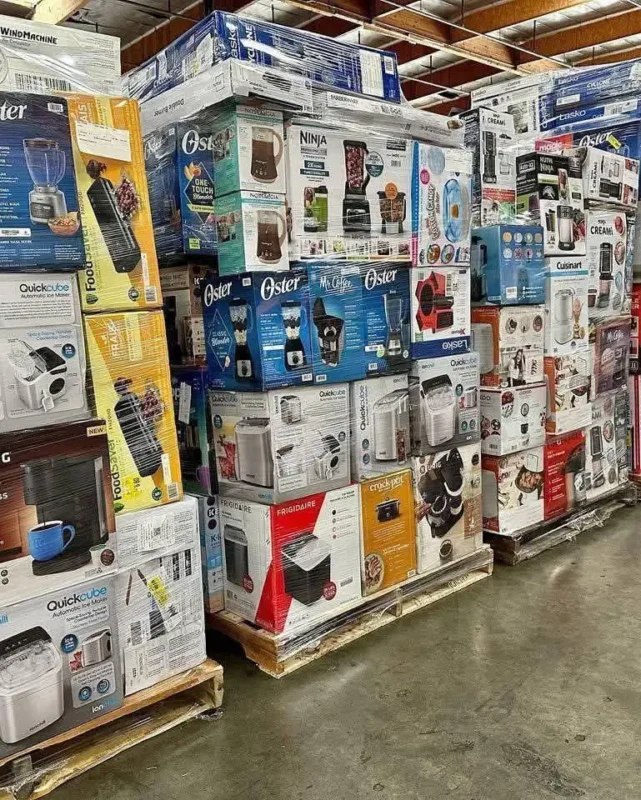
A pallet flipping business involves purchasing liquidation pallets bulk lots of returned, overstock, or clearance merchandise from major retailers at wholesale prices and reselling the individual items for profit.
The concept is straightforward:
- Buy a liquidation pallet at a wholesale price (e.g., $200)
- Unbox and sort the individual items
- List each item for sale on resale platforms
- Sell items at retail or near-retail prices
- Profit from the difference between your pallet cost and total sales revenue
For example, if you buy a general merchandise pallet for $200 that contains $1,500 worth of retail products, and you sell 70% of the items at fair market value, you could earn $800+ in profit from a single pallet.
Multiply that across several pallets per month, and you’ve got a serious income stream.
Why Start a Pallet Flipping Business in 2026?
Low Startup Costs
Unlike most businesses, you can start flipping pallets with as little as $100 to $500. No expensive equipment, no retail lease, no employees just buy a pallet, list the items, and start selling.
High Profit Margins
The average ROI on liquidation pallets ranges from 3x to 10x your investment, depending on the pallet type and your selling strategy. Few businesses offer this kind of return with such low startup costs.
Flexible Schedule
A pallet flipping business can be operated on your own schedule. Work part-time, full-time, or on weekends it’s completely up to you. Many resellers start as a side hustle and transition to full-time once they see the profits.
H3: Work from Home
You can run your entire pallet resale business from home. All you need is space to store and sort inventory, a smartphone or computer for listing, and shipping supplies for sending orders.
Unlimited Growth Potential
Start with one pallet, reinvest your profits, and scale as fast as you want. Many resellers grow from buying single pallets to purchasing full truckloads within their first year. The ceiling is as high as your ambition.
Massive Product Supply
Major retailers like Amazon, Walmart, Target, and Costco generate billions of dollars in returns and overstock annually. The supply of liquidation merchandise is virtually unlimited, so you’ll never run out of inventory to flip.
Step-by-Step: How to Start Your Pallet Flipping Business
Step 1: Set Your Budget and Goals
Before buying your first pallet, determine:
- Starting budget – How much can you invest upfront? ($100 – $500 is enough to start)
- Income goal – How much do you want to earn monthly?
- Time commitment – How many hours per week can you dedicate?
- Business type – Side hustle or full-time venture?
Setting clear goals helps you choose the right pallets and develop a realistic scaling plan.
Step 2: Choose Your Niche
While you can resell anything, focusing on a specific product category helps you:
- Develop expertise in pricing and product knowledge
- Build a targeted customer base
- Source more effectively
Popular pallet flipping niches include:
- Electronics (smartphones, headphones, tablets)
- Clothing and fashion accessories
- Toys and games
- Home and kitchen products
- Health and beauty
- Tools and hardware
- Sporting goods
If you’re unsure, start with general merchandise pallets for variety, then narrow your focus as you learn what sells best for you.
Step 3: Find a Reliable Pallet Supplier
Your supplier is the foundation of your business. Choose a trusted pallet liquidation company that offers:
- ✅ Transparent product listings and manifests
- ✅ Competitive wholesale prices
- ✅ Pallets from reputable retailers
- ✅ Reliable shipping
- ✅ Good customer reviews and support
Our recommendation: Liquid Pallets Hub — we check every box and are trusted by thousands of resellers nationwide.
👉 Shop Pallets at Liquid Pallets Hub
Step 4: Purchase Your First Pallet
Start small with your first purchase. Choose an affordable pallet in a category you’re comfortable with. General merchandise pallets or Amazon return pallets are excellent first purchases because of their variety, affordability, and high ROI potential.
Step 5: Set Up Your Workspace
You’ll need a dedicated space to:
- Receive and unbox pallets
- Sort and categorize items
- Test electronics and inspect products
- Photograph items for listings
- Store inventory awaiting sale
- Pack and ship orders
A spare room, garage, or storage unit works perfectly. Keep your workspace organized for efficiency.
Step 6: Create Seller Accounts
Set up accounts on the platforms where you’ll sell your items:
- eBay – Best for electronics, collectibles, and diverse merchandise
- Facebook Marketplace – Best for local sales and bulky items
- Amazon – Best for new/like-new branded products
- Mercari – Best for clothing, accessories, and small items
- Poshmark – Best for designer clothing and fashion
- OfferUp – Best for local sales
- Shopify – Best for building your own branded resale store
Step 7: Unbox, Sort, Test, and Photograph
When your pallet arrives:
- Unbox everything carefully and sort items by category and condition
- Test all electronics to verify they work properly
- Inspect every item for damage, missing parts, or defects
- Research pricing by checking eBay sold listings and Amazon pricing
- Photograph each item with clear, well-lit photos from multiple angles
- Note any flaws — transparency builds trust with buyers
Step 8: Create Listings and Start Selling
Write compelling, detailed product listings that include:
- Product name, brand, and model
- Accurate condition description
- Key features and specifications
- What’s included (accessories, original box, etc.)
- Any defects or imperfections
- Multiple high-quality photos
Pricing Tips:
- Check eBay completed/sold listings for realistic pricing data
- Price competitively — slightly below comparable listings for faster sales
- Use auction format for rare or high-demand items to maximize price
- Use Buy It Now for common items to attract impulse buyers
Step 9: Ship Orders Promptly
Fast shipping leads to happy customers, positive reviews, and repeat business. Key shipping tips:
- Use USPS, UPS, or FedEx depending on package size and weight
- Offer free shipping when possible (build it into your price)
- Pack items securely to prevent damage during transit
- Provide tracking numbers immediately
- Ship within 1-2 business days of receiving payment
Step 10: Reinvest and Scale
Once you’ve sold your first pallet and earned a profit, reinvest that money into additional pallets. As your experience, cash flow, and inventory grow:
- Buy multiple pallets at once for better pricing
- Upgrade to bulk pallet orders or truckload deals
- Diversify across product categories
- Expand to additional selling platforms
- Consider hiring help for listing and shipping
- Open your own resale store or warehouse
How Much Money Can You Make Flipping Pallets?
Your earnings depend on several factors, including the types of pallets you buy, your selling platforms, and the time you invest. Here’s a realistic income breakdown:
| Level | Monthly Pallet Investment | Estimated Monthly Revenue | Estimated Monthly Profit |
|---|---|---|---|
| Beginner (Part-Time) | $200 – $500 | $600 – $2,000 | $300 – $1,200 |
| Intermediate | $500 – $2,000 | $2,000 – $8,000 | $1,200 – $5,000 |
| Advanced (Full-Time) | $2,000 – $10,000 | $8,000 – $40,000 | $5,000 – $25,000 |
| High-Volume Operation | $10,000+ | $40,000+ | $25,000+ |
Results vary based on pallet contents, selling strategy, and market conditions.
Essential Tools for Your Pallet Flipping Business
- Smartphone – For product photography, listing, and communication
- eBay/Mercari/Poshmark apps – For quick mobile listing
- Kitchen scale / shipping scale – For accurate shipping weights
- Shipping supplies – Boxes, bubble wrap, tape, poly mailers, labels
- Label printer – For printing shipping labels efficiently
- Spreadsheet or accounting software – For tracking costs, sales, and profits
- Price checking apps – eBay app, Amazon Seller app, Worthpoint
- Storage bins/shelves – For organizing inventory
- Photography setup – Clean background, good lighting (natural light works great)
Common Pallet Flipping Mistakes to Avoid
- Buying from untrustworthy suppliers – Stick with reputable companies like Liquid Pallets Hub
- Not researching prices before listing – Always check sold comps
- Overpaying for pallets – Set a budget and stick to it
- Ignoring shipping costs – Factor shipping into your pricing
- Holding inventory too long – Price to sell and keep cash flowing
- Poor photography – Bad photos = fewer sales
- Vague descriptions – Be detailed and honest about condition
- Not tracking finances – Know your true profit on every pallet
- Trying to sell everything at retail – Be realistic about condition-based pricing
- Giving up too soon – The first pallet is a learning experience; profit grows with experience
Legal Considerations for Your Pallet Resale Business
While getting started is easy, there are a few legal items to consider as you grow:
- Business License – Check your local requirements for a resale business license
- Sales Tax Permit – Most states require you to collect sales tax on in-state transactions
- Reseller’s Certificate – Allows you to purchase wholesale inventory without paying sales tax
- Business Bank Account – Keep personal and business finances separate
- Record Keeping – Track all income and expenses for tax reporting
- Insurance – Consider liability insurance as your business grows
Consult a local accountant or business attorney for guidance specific to your state and situation.
Start Your Pallet Flipping Business Today with Liquid Pallets Hub
There’s never been a better time to start a pallet flipping business. With low startup costs, high profit potential, and an endless supply of liquidation merchandise from top retailers, pallet flipping is one of the most accessible paths to entrepreneurship in 2025.
Liquid Pallets Hub is your trusted partner for sourcing quality liquidation pallets at wholesale prices. We provide the inventory, transparency, and support you need to build a profitable resale business from day one.
Your first profitable pallet is just a click away.
👉 Shop Liquidation Pallets Now
📞 Contact Us for personalized recommendations based on your budget and goals.
